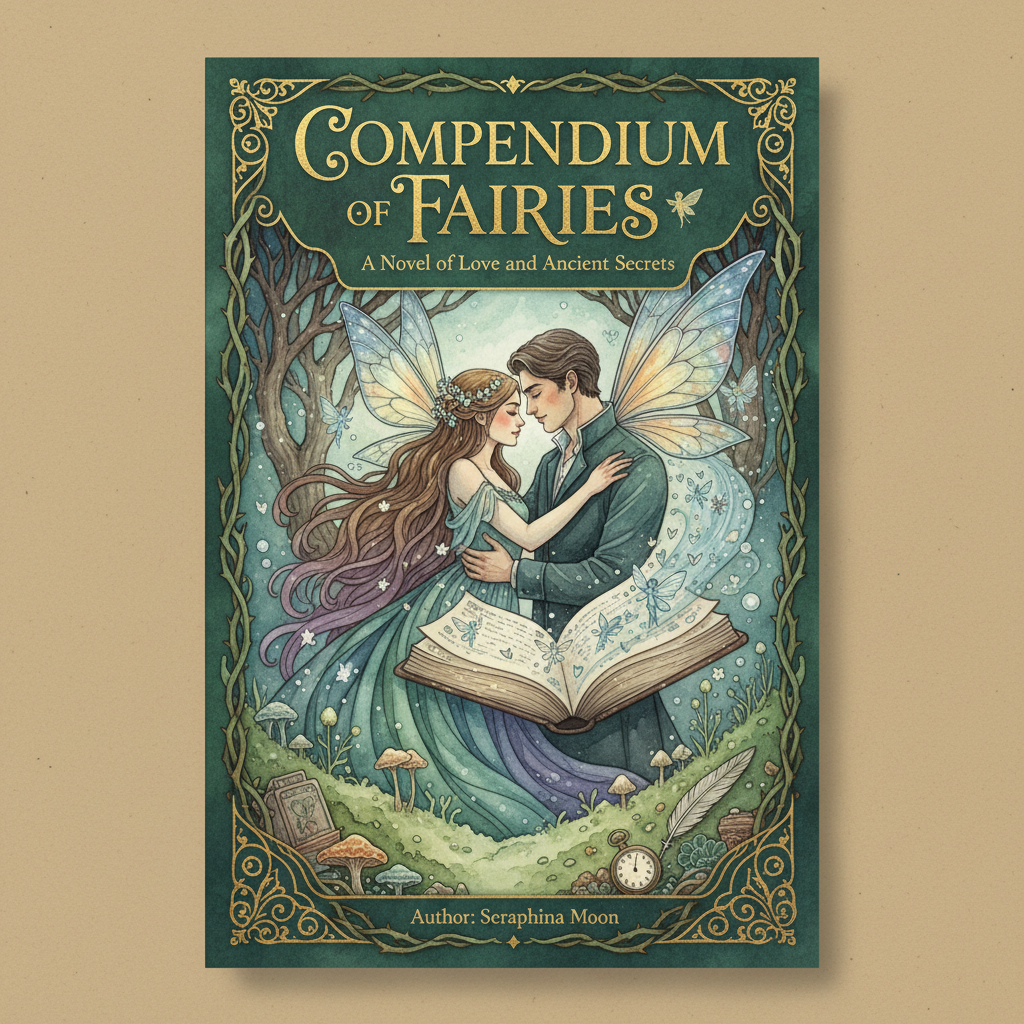
Compendium of Fairies
Produced by Qingdou Studio Contact: [email protected] A new kind of chess master emerges—invincible in skill, traversing the world through chess, and seeking to bring peace and order with his art.
Opening Poem—
Kunlun snow, Kunlun snow,
Shining through the starry night.
Point to the vast heavens as a chessboard,
Let the bright moon be the celestial pivot.
A stone, pure as jade, falls to earth,
Shaking the peaks of Kunlun.
Within black and white, between the pieces,
Only I defy the chess demon.
Worldly affairs shift like a thousand moves,
Yet a loyal heart steadies the six realms.
Even if immortals play wondrous hands,
Let their game be told after.
Chapter One: Misfortune at Liu Village
Heaven forms the chessboard, stars the pieces—who can play? The saying, “Worldly affairs are like chess,” speaks of the ceaseless transformations of human life, as unpredictable as a game. The path of chess mirrors the path of life. The game of Go, ancient and refined, is said to have been invented by Emperor Yao to teach his son Dan Zhu restraint. Some claim sages of antiquity, observing the heavens and earth, created it to reflect the myriad forms of nature. Passed down through generations, it became both a method of self-cultivation and a skill for competition. Its 361 intersections correspond to the number in the river diagram of destiny, matching the 365 degrees of the celestial sphere. Black and white represent yin and yang, the four corners symbolize the four directions. The nine stars are distributed, with the celestial pivot at the center; within the patterned board, between black and white, lies infinite fascination. Its myriad changes and strange delights can only be grasped by those of high talent and sensitivity—without